Planning a user conference is one of the most powerful moves a brand can make. Done right, it deepens customer relationships, drives product adoption, and turns your most engaged customers into vocal advocates. Done wrong, it’s a costly missed opportunity.
After three decades producing user conferences for world-class brands like Salesforce, PTC, and Outreach, we’ve built the definitive checklist for planning one that actually delivers. Whether it’s your first user conference or your fifteenth, this is the roadmap you need.
What Is a User Conference?
A user conference—sometimes called a customer conference—is a branded event where a company brings together its existing customers, prospects, and partners to learn, connect, and grow. Unlike a trade show, the primary audience is people who already use your product. The goal is deepening that relationship, not making first impressions.
The best user conferences do all of the following:
- Educate customers on how to get more value from your product
- Build peer-to-peer community among your customer base
- Surface product feedback directly from your most engaged users
- Generate content, case studies, and buzz that extends far beyond the event itself
- Accelerate renewals, expansions, and referrals
How Far in Advance Should You Start Planning?
For large user conferences—500+ attendees—start planning 12–18 months out. Mid-size events (200–500 attendees) need at least 9–12 months. Smaller gatherings of under 200 can sometimes be executed in 6 months, but more runway is always better. Venues, headline speakers, and top production partners book fast.
The User Conference Planning Checklist
Phase 1: Strategy & Foundation (12–18 Months Out)
Define Your “Why” Before Anything Else
- [ ] Articulate the primary business objective. Is this about retention, expansion, community, or product education?
- [ ] Set specific, measurable goals—attendance targets, net promoter score (NPS), pipeline influenced, session satisfaction scores
- [ ] Identify your target audience: customers, prospects, partners, or all three?
- [ ] Align your conference strategy with your broader marketing and product roadmap
- [ ] Determine the conference format: in-person, hybrid, or virtual
Build Your Budget
- [ ] Establish a total budget and break it into categories: venue, production, content, speakers, catering, marketing, attendee experience, and contingency
- [ ] Build in a 10–15% contingency buffer—surprises happen
- [ ] Identify sponsorship opportunities to offset costs
- [ ] Decide on registration pricing strategy: free, tiered, or bundled with product plans
- [ ] Define how you’ll measure ROI and report it back to leadership
Assemble Your Team
- [ ] Appoint an executive sponsor with decision-making authority
- [ ] Name a lead event producer or agency partner (internal or external)
- [ ] Assign clear owners for: content, marketing, logistics, sponsorship, and on-site execution
- [ ] Decide early whether you’re engaging a production agency—top partners fill their calendars 12+ months out
Phase 2: Venue, Dates & Logistics (9–12 Months Out)
Lock in Your Venue and Date
- [ ] Research venues that fit your expected headcount, breakout session needs, and expo or networking requirements
- [ ] Shortlist 3–5 venues and request proposals
- [ ] Conduct site visits with your core team and production partner
- [ ] Confirm the date avoids major holidays, competing industry events, and peak travel seasons
- [ ] Negotiate your contract carefully—review attrition clauses, AV exclusivity terms, and force majeure language
- [ ] Confirm the venue’s WiFi bandwidth and infrastructure; upgrade if needed
- [ ] Book room blocks at nearby hotels and negotiate attendee rates
- [ ] Assess accessibility: ADA compliance, transportation options, and proximity to the airport
Engage Your Production Partner
- [ ] Brief your production agency on goals, brand standards, and vision for the attendee experience
- [ ] Align on creative direction, scenic design, and general session staging
- [ ] Confirm AV equipment needs, including general session screens, breakout room setups, and recording capabilities
- [ ] Plan for hybrid or live-stream production if your event has a virtual component
- [ ] Review lighting design, motion graphics, and content capture requirements
Nail Down Logistics
- [ ] Confirm catering strategy: breakfast, lunch, breaks, and evening events
- [ ] Plan for dietary restrictions and special accommodations
- [ ] Identify transportation needs: shuttles, parking, airport transfers
- [ ] Map out the full venue layout: registration area, general session, breakout rooms, expo floor, and networking spaces
- [ ] Begin sourcing keynote speakers and emcees
Phase 3: Content & Programming (6–9 Months Out)
Build a Content Strategy That Earns Attention
- [ ] Design your content pillars around your customers’ most pressing challenges—not just your product roadmap
- [ ] Balance visionary keynotes with hands-on, immediately applicable breakout sessions
- [ ] Open a call for speakers and customer case studies
- [ ] Curate a mix of internal executives, customers, and third-party thought leaders
- [ ] Plan your agenda structure: general sessions, breakouts, workshops, networking, and social events
- [ ] Leave room for hallway conversations—the most valuable networking often happens between sessions
Secure Your Speakers
- [ ] Confirm keynote speakers and negotiate contracts
- [ ] Book an emcee who can hold the room and keep energy high
- [ ] Consider opening and closing acts or entertainment for evening events
- [ ] Collect speaker bios, headshots, session abstracts, and AV requirements
- [ ] Set content deadlines and presentation templates for all speakers
- [ ] Schedule speaker rehearsals—at minimum, a run-of-show walkthrough
Plan Your Attendee Experience
- [ ] Map the full attendee journey from registration to post-event follow-up
- [ ] Design the registration experience: check-in flow, badge pickup, welcome materials
- [ ] Plan branded swag and attendee gifts that are practical and on-brand
- [ ] Build a networking strategy: dedicated sessions, app-based connections, or facilitated roundtables
- [ ] Think through accessibility, inclusivity, and a code of conduct
Phase 4: Marketing & Registration (6 Months Out)
Launch Your Marketing Engine
- [ ] Finalize the conference name, theme, and brand identity
- [ ] Build a dedicated conference website with agenda, speaker info, venue details, and FAQs
- [ ] Open registration and communicate early bird pricing
- [ ] Launch an email marketing campaign to your customer base
- [ ] Develop a social media strategy with a dedicated event hashtag
- [ ] Activate customer champions and internal teams to drive registration
- [ ] Consider a referral program to incentivize word-of-mouth
- [ ] Coordinate with your PR team on speaker announcements and earned media opportunities
- [ ] Send regular attendee communications with logistics, agenda previews, and what to expect
Manage Registration & Attendees
- [ ] Select a registration platform that’s mobile-friendly and easy to navigate
- [ ] Keep registration forms concise—every unnecessary field reduces completion rates
- [ ] Set up confirmation emails, reminders, and logistics communication sequences
- [ ] Track registration pacing weekly against your attendance goals
- [ ] Plan for walk-in registration day-of
Phase 5: Pre-Event Execution (4–8 Weeks Out)
Production & Creative
- [ ] Finalize all general session content, presentations, and video assets
- [ ] Confirm motion graphics, lower thirds, and all branded show graphics
- [ ] Complete signage and environmental branding design
- [ ] Confirm printing timelines for all signage, programs, and printed materials
- [ ] Produce all promotional and marketing assets for event promotion
Vendor & Logistics Confirmation
- [ ] Confirm all vendor contracts: catering, AV, photography, videography, staffing, and transportation
- [ ] Verify proof of insurance from all suppliers
- [ ] Confirm room assignments for all sessions and activities
- [ ] Finalize catering numbers and communicate dietary requirements
- [ ] Confirm hotel room blocks and attendee rooming lists
- [ ] Prepare a master run-of-show document that covers every minute of every day
- [ ] Create version-specific run-of-show documents for your production team, speakers, and venue staff
Staffing & Volunteers
- [ ] Confirm on-site staffing plan: registration, room monitors, wayfinding, and executive support
- [ ] Brief all staff and volunteers on their roles, responsibilities, and escalation protocols
- [ ] Identify a dedicated point of contact for every major function area
Phase 6: On-Site Execution (Day Of)
Load-In and Setup
- [ ] Conduct a full venue walkthrough with your production team before load-in begins
- [ ] Test all AV equipment—screens, audio, lighting, streaming—before the first attendee arrives
- [ ] Confirm registration technology: badge printing, check-in systems, and wayfinding
- [ ] Set up and test your event app, WiFi, and any digital engagement tools
- [ ] Brief all speakers and walk through the run-of-show
During the Event
- [ ] Maintain a centralized command center for real-time issue resolution
- [ ] Run every session against the master run-of-show
- [ ] Capture content: professional photography, video, and social-ready assets
- [ ] Monitor attendee sentiment in real-time; address concerns proactively
- [ ] Keep energy high between sessions with music, activations, and meaningful touchpoints
- [ ] Gather session feedback daily so you can adjust if needed
Phase 7: Post-Event Follow-Up (1–4 Weeks After)
Measure What Matters
- [ ] Send a post-event survey within 24–48 hours
- [ ] Collect and analyze NPS scores, session ratings, and open-ended feedback
- [ ] Audit your final attendance numbers against your goals
- [ ] Calculate pipeline influenced, renewals attributed, and any revenue directly tied to the event
- [ ] Document lessons learned in a structured post-mortem while details are still fresh
Extend the Event’s Life
- [ ] Publish session recordings, slides, and recap content
- [ ] Send a curated post-event communication to all attendees—registered and not-yet-registered for next year
- [ ] Share highlights on social media and through PR channels
- [ ] Activate customer speakers as ongoing brand advocates
- [ ] Begin planning next year’s event—your best momentum is right now
Common User Conference Planning Mistakes to Avoid
Starting too late. The best venues, speakers, and production partners are gone 12+ months out. Start earlier than you think you need to.
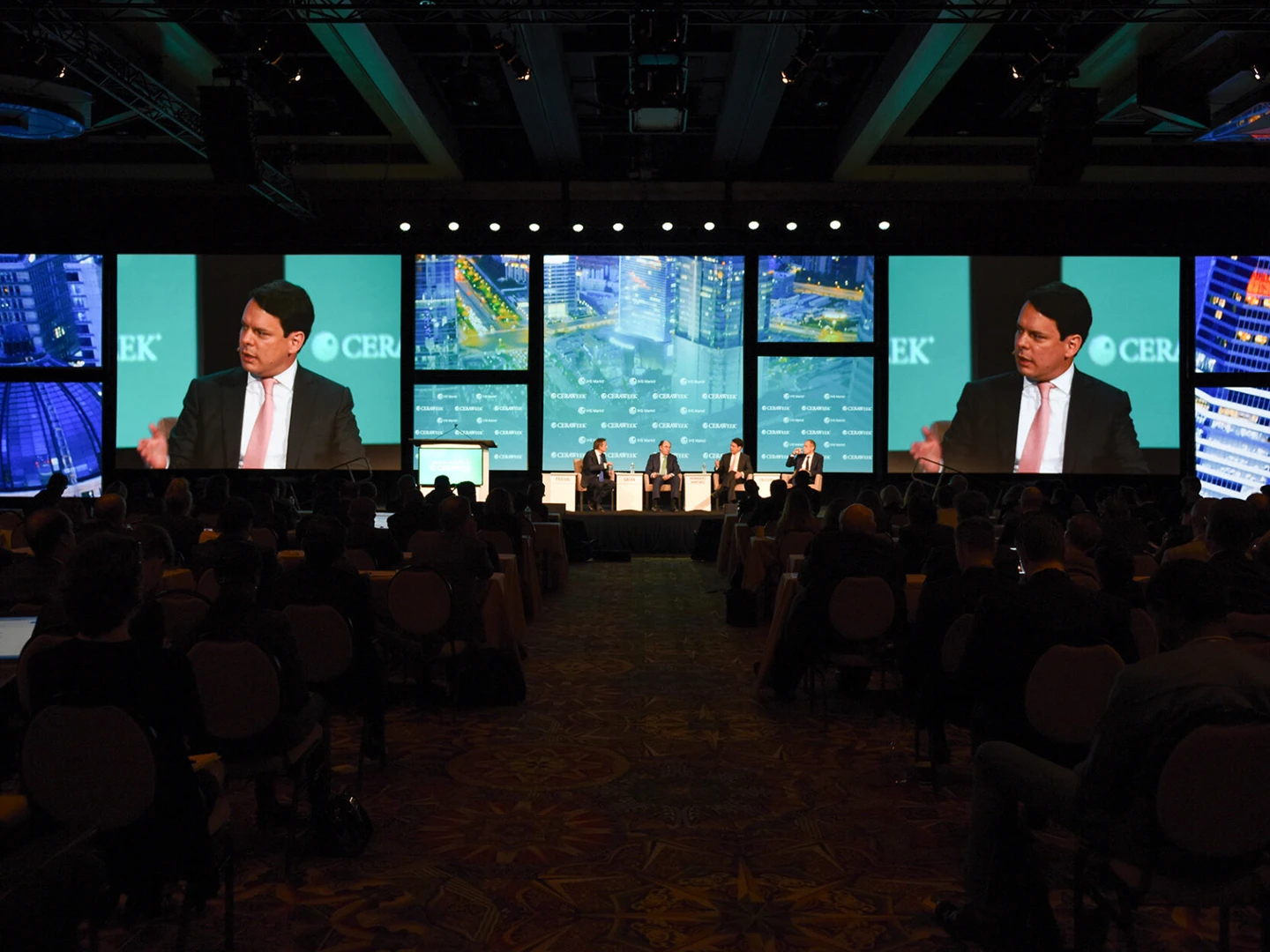
Underestimating production quality. Your attendees will remember how the event felt. Low-quality AV, dim lighting, and a flat stage experience sends a message about your brand—and not a good one.
Cramming too much content. Attendees need time to breathe, connect, and process. A packed agenda with no white space is an exhausting experience.
Ignoring post-event follow-up. The event itself is just the beginning. The brands that win are the ones that extend the experience for weeks afterward through content, community, and communication.
Skipping the run-of-show. Every minute of every day should be mapped. Surprises derail events; preparation prevents them.
Why Work With a Production Partner?
Planning a user conference is a massive operational lift—and the stakes are high. Your customers, prospects, and partners are all in the room. Every detail is a reflection of your brand.
An experienced event production agency brings creative vision, logistical muscle, and production expertise that internal teams rarely have in-house. From scenic design and AV to talent sourcing and real-time problem-solving, the right partner doesn’t just execute your event—they elevate it.
Ovation Events has spent over 30 years producing world-class user conferences for some of the most recognizable brands in the world. From Salesforce’s Dreamforce to Outreach’s first post-pandemic in-person user event, we know what it takes to deliver unforgettable experiences that drive real business results.
Ready to Start Planning?
Whether you’re 18 months out or 6, let’s talk about your next user conference. Our team brings three decades of creative and production expertise to every event we touch—and we’d love to bring it to yours.